Aug 2026-08-31
The feeding system is the entry point of any flute laminating process. It is responsible for delivering the face paper and the corrugated board to the alignment and laminating sections in perfect synchrony. When the feeding system malfunctions, the entire production line suffers — sheets misfeed, alignment fails, and waste piles up.
Whether you are running a new machine or troubleshooting an existing one, understanding the feeding system is essential. YOUBOND's flute laminating solutions are designed with precision feeding as a core priority, minimizing the risk of these common problems.
The core problem is this: feeding system faults are rarely catastrophic failures. They are usually the result of mechanical wear, incorrect adjustments, or sensor issues that develop gradually. Identifying the root cause early prevents costly downtime.
This article explains the most common feeding system problems on high-speed flute laminating machines, provides a practical diagnostic checklist, and helps you determine when to fix in-house versus when to call for support.

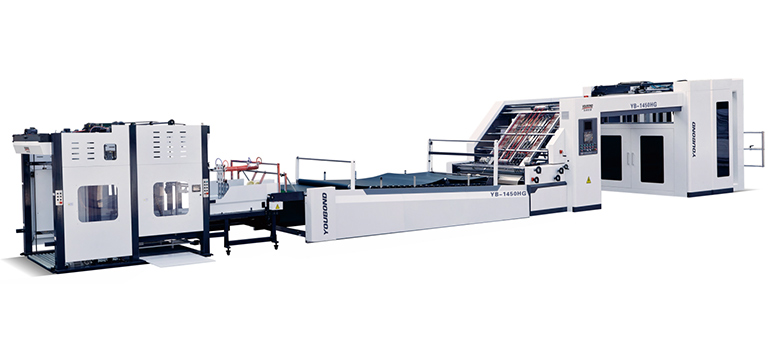
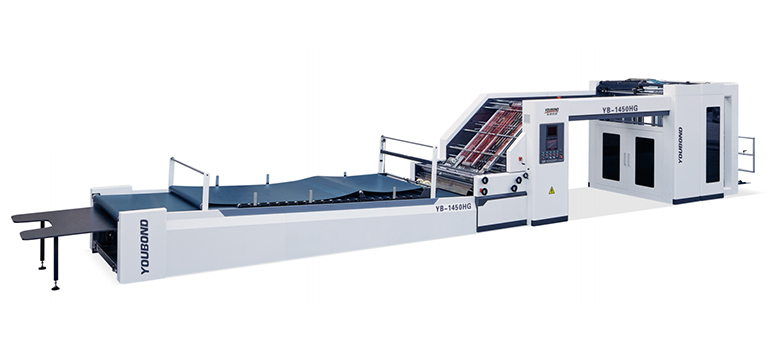
Feeding systems on modern high speed flute laminators consist of feed chains, front gauges, side guides, suction fans, and photoelectric sensors. Problems can arise in any of these components.
Double sheet feeding occurs when two sheets of paper or board are fed into the machine at the same time. This jams the alignment section and often requires a machine stop to clear.
Common causes:
Solutions:
The feeding system fails to pick up a sheet when it should, resulting in missed cycles.
Common causes:
Solutions:
The sheet enters the alignment section at an angle, causing the final laminated product to have skewed layers.
Common causes:
Solutions:
The sheet speed varies from cycle to cycle, causing intermittent alignment problems.
Common causes:
Solutions:
The front edge of the sheet is curled upward, preventing it from sliding cleanly under the front gauges.
Common causes:
Solutions:
| Symptom | Most Likely Cause | Quick Check |
|---|---|---|
| Double sheets fed | Suction too strong or stack sticky | Reduce suction, separate sheets |
| No sheet fed | Suction too weak or sensor dirty | Increase suction, clean sensors |
| Sheets feed skewed | Side guides uneven | Check and adjust side guides |
| Intermittent feed speed variation | Chain tension loose or belts worn | Inspect chains and belts |
| Curling at leading edge | Moisture or suction issue | Check storage and fan pressure |
For persistent feeding problems that cannot be resolved with routine adjustments, YOUBOND offers comprehensive after-sales support options to help diagnose and resolve complex feeding system faults.
| Issue Type | In-House Fix | Professional Support Needed |
|---|---|---|
| Suction fan pressure | ✓ Adjust gradually | If fan motor is faulty |
| Side guide adjustment | ✓ Set evenly | If guides are damaged |
| Feed chain tension | ✓ Inspect and tighten | If chains are worn or need replacement |
| Photoelectric sensor cleaning | ✓ Daily cleaning | If sensor is defective |
| Drive belt replacement | ✓ If comfortable | If alignment of pulleys is needed |
| Persistent misfeeding after adjustments | — | ✓ Full diagnostic and repair |
Thin paper has less weight and stiffness, so the suction fan can easily pick up the second sheet if the stack is not properly separated. Reducing suction pressure and using anti-static spray can help.
If the chain has visible sagging between sprockets or if feed timing is inconsistent, the chain likely needs tensioning. Also listen for unusual noise from the chain drive.
There is no fixed value — it depends on paper weight and surface smoothness. Start low and increase gradually until consistent pickup occurs, then lock the setting.
Yes. Dust and paper debris on sensor lenses reduce detection accuracy. The machine may think a sheet is absent when it is actually present, or vice versa. Clean daily.
When chains show visible wear on the pins or bushings, or when they have stretched beyond the adjustment limit. Replacing worn chains prevents sudden breakage during production.
Feeding system problems on a high speed flute laminator — double feeds, misfeeds, skew, and speed variations — are among the most common causes of production interruptions. Most of these issues can be prevented through regular cleaning, proper adjustment, and attentive material handling.
The key is daily inspection and immediate correction of small problems before they become big ones. Don't wait for a jam to stop the machine — check the first few sheets of every run and listen for changes in machine sound.
If your feeding system continues to cause problems despite routine maintenance, it may be time for a professional assessment. YOUBOND's technical engineers, each with over 10 years of experience, provide timely support for feeding system diagnostics and repair.
To learn more about YOUBOND's feeding system technology, explore the full range of flute laminating machine configurations. For specific troubleshooting needs, request a feeding system evaluation from our technical team.
GET A QUOTE

 English
 China
China