Jul 2026-07-13
A specification sheet for a corrugated laminator typically leads with maximum speed: 150 m/min, 180 m/min, 200 m/min. These numbers are real, but they are also conditional. Maximum speed is achieved under ideal conditions with specific paper weights, flute types, and sheet sizes. In daily production, actual throughput is governed by a set of less prominent specifications that determine how the machine handles your specific product mix. Before committing to a purchase, these are the specifications worth examining in detail.
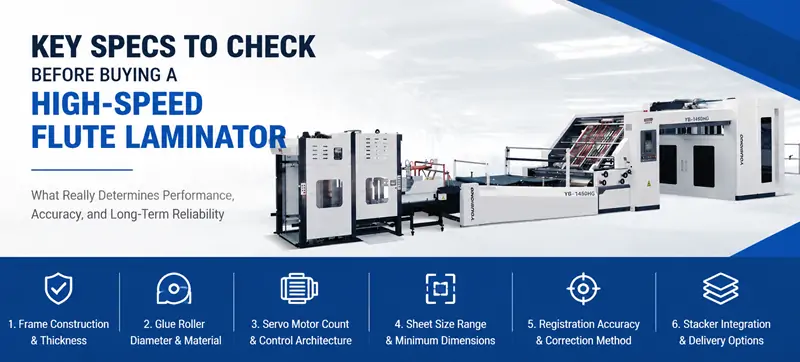
The frame is the foundation that determines whether a laminator maintains alignment at high speed. Two common approaches exist: welded steel plate frames and cast iron frames. A welded frame can be engineered to high tolerances, but a cast frame offers inherently better vibration damping—useful when the machine runs above 120 m/min. Frame thickness for machines in the 1450 mm to 1650 mm sheet width class typically ranges from 30 mm to 40 mm. Thicker frames resist the twisting forces generated by the indexing motion of the sheet transfer mechanism, which directly affects registration accuracy over years of operation.
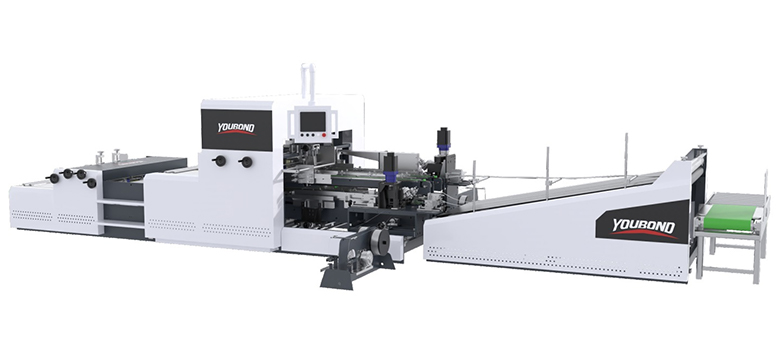
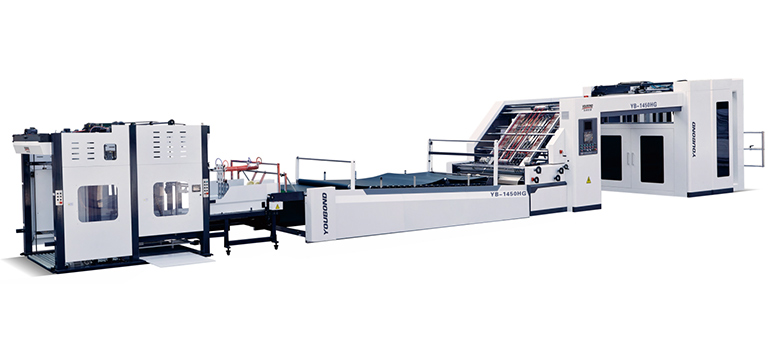
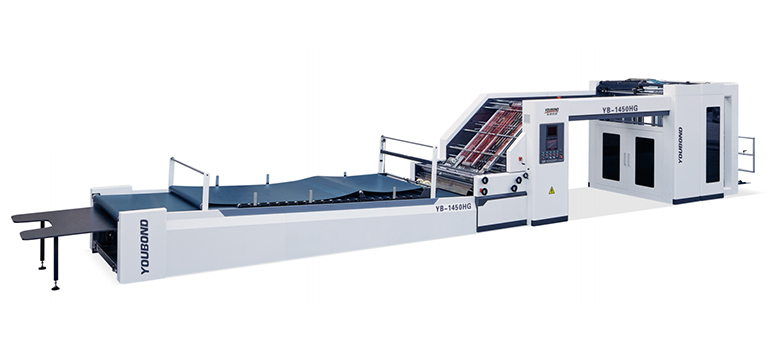
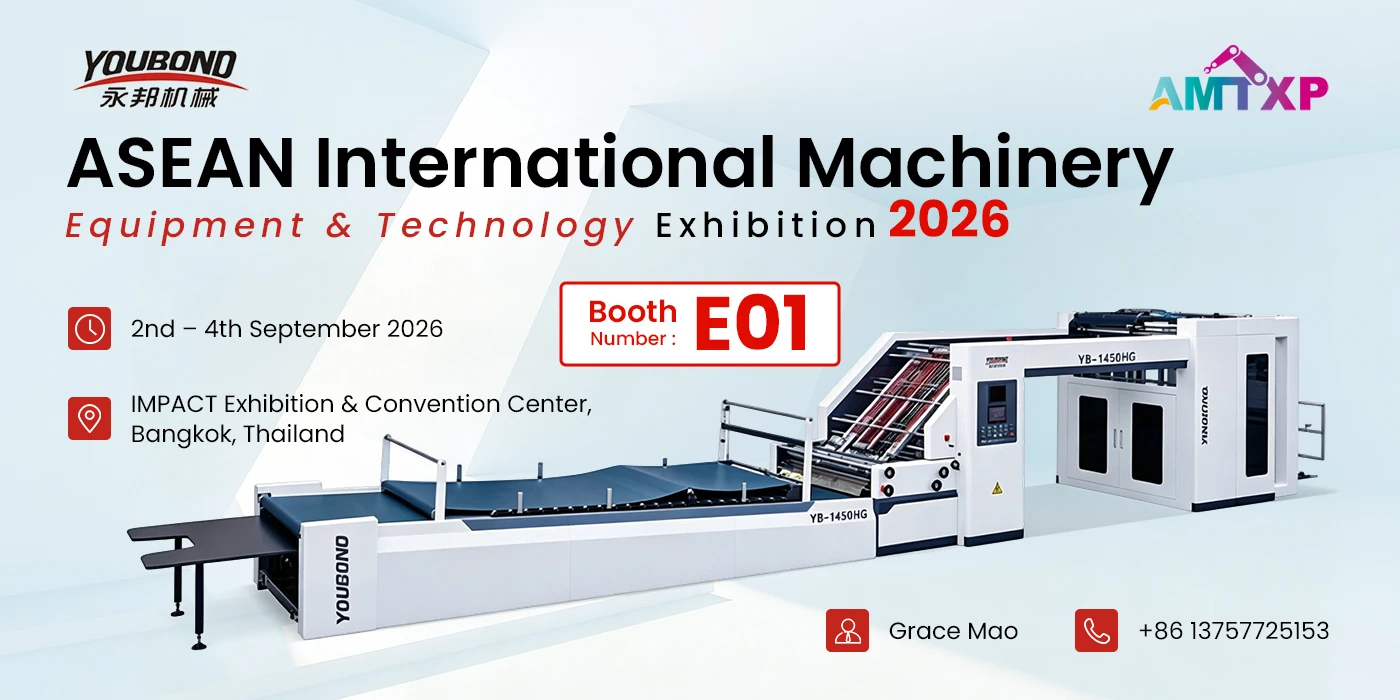
When evaluating frame construction, ask whether the side frames are machined as a single piece or assembled from multiple sections. Single-piece machining eliminates alignment drift between sections, keeping the glue roller and pressure roller parallel across their full width. This structural integrity is one of the defining characteristics of a well-built Flute Laminating Machine, where casting frame designs and large-diameter roller transmission work together to maintain consistent lamination quality at speeds exceeding 150 m/min.
The glue roller performs two functions: it meters adhesive onto the flute tips and transfers the bottom sheet to the laminating station. Roller diameter affects both. A larger diameter—165 mm is a common benchmark for heavy-duty machines—provides a wider contact area with the doctor roller, producing a more uniform adhesive film. It also reduces deflection at the centre of the roller under load, which is critical for consistent glue application across the full sheet width.
The roller surface material matters equally. Stainless steel rollers resist corrosion from water-based adhesives and are easier to clean than chrome-plated rollers, which can develop pitting over time if the plating is thin. Check whether the glue roller runs in a circulating water bath for temperature control; stable adhesive viscosity requires stable roller temperature, especially in facilities without climate control.
Modern high-speed laminators use servo motors for precision control of individual functions: sheet feeding, registration correction, glue application, pressure adjustment, and stacking. The number of servo motors on a machine indicates the granularity of control. A configuration with 9 or 10 servo motors, as seen on some fully automatic models, means each function operates independently with closed-loop feedback. This matters most during size changeovers—a machine with servo-driven side lays and pressure rollers can switch from one sheet size to another in under 30 seconds by loading a stored recipe, rather than requiring manual mechanical adjustments.
Equally important is the control architecture. Ask whether the motion controller coordinates all servo axes through a single CPU or distributes control across multiple modules. Single-CPU architectures reduce communication latency between axes, which improves registration at high speed. Machines running above 150 m/min benefit measurably from this integration, as a delay of even a few milliseconds in sheet position feedback can cause misalignment.
Maximum sheet size is always listed prominently. Minimum sheet size is equally important and often overlooked. A laminator rated for 1450 × 1450 mm maximum may only handle down to 380 × 350 mm minimum. If your product mix includes small-format packaging—such as pharmaceutical boxes or cosmetic cartons—confirm that the feeder and registration system can handle the smallest sheet you intend to run. Feeding small sheets on a machine designed primarily for large formats often results in inconsistent registration because the side-lay guides cannot close tightly enough.
Also check the top sheet grammage range. A high-speed flute laminating machine typically handles 120 gsm to 500 gsm for the printed top sheet, but running at the extremes of this range may require slowing the machine or adjusting vacuum settings. The bottom sheet specification should cover the flute types you use: single-wall A, B, C, E, and F flutes, plus double-wall combinations like AB, BE, and EE, and even grey board up to 1,800 gsm for some heavy-duty models.
Registration accuracy specifications typically read "±1 mm" or "±0.5 mm." The number is meaningful only in context. ±1 mm achieved through mechanical side-lay guides is a different capability than ±1 mm achieved through servo correction with photoelectric sensors. The latter actively tracks sheet position during feeding and adjusts in real time; the former relies on consistent sheet dimension and operator setup.
Ask how the machine corrects misregistration. A servo compensation system that reads the position of both top and bottom sheets and adjusts the alignment before lamination provides active correction that compensates for slight variations in sheet cutting. This matters when the printed top sheet comes from a different supplier than the corrugated bottom board, or when ambient humidity has caused one sheet to expand more than the other. For buyers comparing different manufacturers, reviewing detailed spec sheets for automatic laminating equipment makes it easier to verify whether the registration correction method is mechanical or servo-based—a distinction that directly affects setup time and running accuracy.
The delivery end of the laminator affects overall line productivity. Two common stacker configurations exist: an inline stacker that collects sheets in a single pile, and a flip-flop stacker that alternates between front and back piles. A flip-flop stacker allows the downstream operator to remove finished stacks without pausing the machine, effectively eliminating the stacking bottleneck. For lines running above 120 m/min, a flip-flop stacker paired with an automatic pile turner can be the difference between continuous production and frequent stops.
Some stacker designs include automatic counting and batch separation, inserting a marker sheet or creating a physical gap between batches. For packaging plants that supply just-in-time delivery, this feature reduces downstream sorting labour.
No single specification tells the full story. Frame thickness matters because it preserves registration accuracy. Glue roller diameter matters because it affects adhesive consistency. Servo count matters because it determines how quickly the machine adapts to different jobs. Evaluate each specification in the context of your product mix—the sheet sizes you run most often, the flute types you use, and the batch sizes you manage.
If you are comparing configurations across different manufacturers, YOUBOND's range of corrugated laminating solutions provides detailed technical documentation covering frame dimensions, servo architecture, glue system specifications, and stacker options. Requesting the full spec sheet for the models that match your sheet size and speed requirements is a practical next step toward an informed decision.
GET A QUOTE
 English
 China
China